Skip to content

Dr. Paul Buijs

Dr. Paul Buijs
Dr. Paul Buijs(no longer at UFL/SCTL)
  • Visiting Burges Professor, Department of Civil & Environmental Engineering
  • Associate Professor, University of Groningen (Netherlands)

  • Operations management
  • Transportation science and technology
  • Sustainable logistics
  • Supply chain management
  • Innovation
  • Urban freight transport

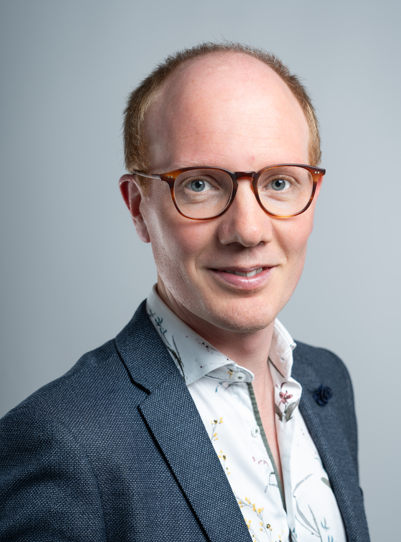
Paul Buijs explores how stakeholders are both affected by — and can contribute to — the transition to more sustainable logistics systems. His research spans a wide range of domains, from urban delivery networks to heavy road freight, and considers sustainability through multiple lenses, including carbon emissions, livability, and economic inclusivity. Current topics include how logistics can adapt to evolving urban environments, how urban planning can reduce the sector’s footprint in cities, how to accelerate freight transport decarbonization, how emerging ecommerce delivery and return models impact CO2 emissions, and how to ensure the shift to green urban logistics is equitable for all.

Dr. Buijs leads a joint study comparing sustainable urban logistics policy-making in Europe and the U.S., examining how urban planning, street design, and policy approaches differ across regions.

  • MSc, Industrial Engineering and Management, University of Groningen (The Netherlands)
  • Ph.D., Sustainable Logistics, University of Groningen (The Netherlands)

Dr. Paul Buijs, Associate Professor at University of Groningen (Netherlands), joins the Urban Freight Lab as a Visiting Burges Professor through November 2025.

Dr. Bujis is focusing his four-month residency on three areas: research, teaching, and community engagement. As a guest instructor, he will deliver a specialized course module on urban logistics, exploring European and North American perspectives on service logistics, policy, planning, and the role of logistics in the urban environment. He will introduce EU frameworks such as SUMPs (Sustainable Urban Mobility Plans) and SULPs (Sustainable Urban Logistics Plans), encouraging students to think critically about how European models might inform U.S. practices. He will also host seminars, contribute to ongoing discussions, collaborate with the Urban Freight Lab community, share EU-based insights, and support the development of new research and policy initiatives.
Dr. Ed McCormack

Dr. Ed McCormack
Dr. Ed McCormack
  • Research Associate Professor Emeritus, Civil and Environmental Engineering
  • Academic Director (Interim), Master of Supply Chain Transportation & Logistics
edm@uw.edu  |  206-543-3348  |  Wilson Ceramics Lab 108
  • Freight Mobility in Urban Areas
  • Transportation Technology Evaluation
  • Freight Systems Performance Measurement

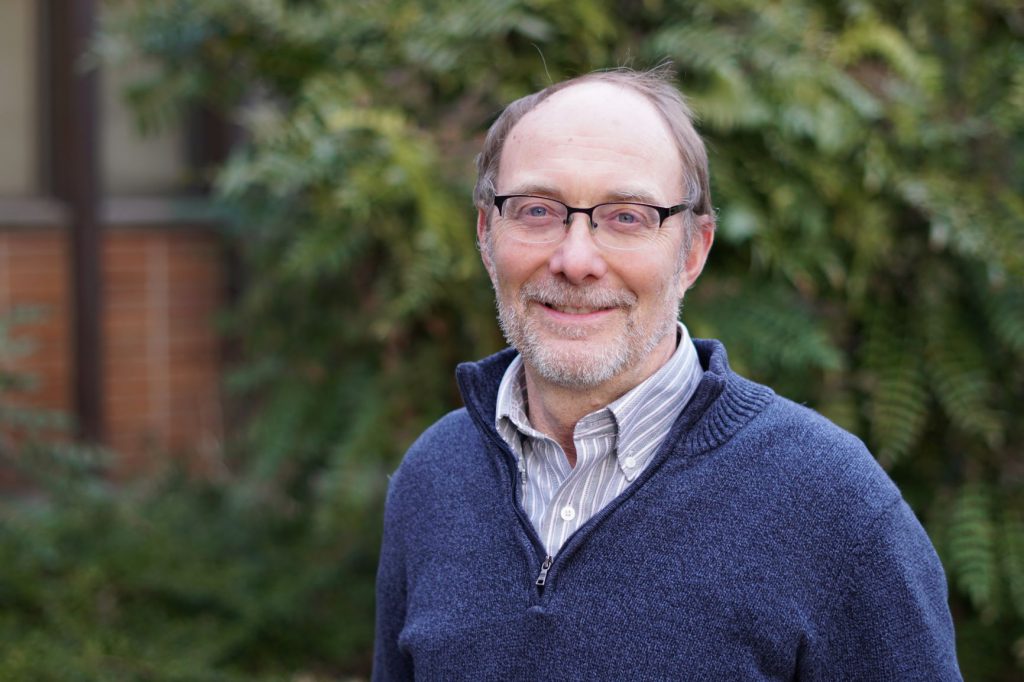
Dr. Ed McCormack’s research program is broadly around the theme of the use of technology to improve mobility for people and goods. Improved data storage, wireless communications, and faster computers have created new streams of high quality transportation information. This information allows operators and the public to be more strategic and efficient about using our transportation system but also requires new thinking and innovative approaches. Given the belief in our society that technology can solve many problems, one challenge that he frequently addresses in his research is elemental: what works? For example, his research has evaluated the application and usability of different in-vehicle tracking technologies and of freight-oriented traveler information systems.

A second topic of importance is his recent research—derived from his interest in technology—that explores the development of quantitative tools that can use streaming data. Many of his projects have used these data to create performance measures that allow the monitoring of vehicle travel activity and the calculation of metrics that support engineering and planning decisions.

He has increasingly focused on freight mobility. Despite freight’s obvious importance to our society, this area of transportation has traditionally been understudied by academics, particularly in comparison to people transportation. As a researcher, he has found that there are opportunities to provide innovative insights in this area.

  • Faculty Appreciation for Career Education & Training (FACET) Award for mentoring of students (2020)
  • Ph.D., Geography, University of Washington (1997)
    Dissertation: A Chained-Based Exploration of Work Travel by Residents of Mixed Land-Use Neighborhoods
  • M.S., Civil Engineering, University of Washington (1985)
    Thesis: An Examination of Transit’s Work-Share Using Census Journey–to-Work and Transit On-Board Survey Data
  • B.S.E., Geography, University of Washington (1979)

Dr. Ed McCormack is an international leader in truck GPS data applications for freight performance measurement, and technology that facilitates truck flows along roadways and through border crossings and marine ports. He developed methods for the Washington State Department of Transportation and the Norwegian government to measure truck speed and reliability performance on highways and roads through the analysis of truck GPS data. He recently served as the Chief Engineer in the ITS section of the Norwegian Public Roads Administration.

He holds a PhD in Geography, MS in Civil Engineering, and a BA in Geography—all from the University of Washington. Before working at UW, he was an engineering consultant with David Evans and Associates and a transportation planner with both King County and the Puget Sound Regional Councils.

Dr. McCormack has worked on National Academy of Sciences Transportation Research Board (TRB) projects to identify and improve truck bottlenecks, incorporate smart growth principles into freight forecasting tools, and help public agencies obtain freight data and turn it into valuable information.

He is an independent evaluator for U.S. Department of Transportation freight technology projects, including those addressing truck queuing and congestion.

  • Professor (II), Department of Civil and Transport Engineering, Norwegian University of Science and Technology
  • Adjunct Research Associate Professor, Urban Design and Planning, University of Washington

Amelia Regan

Amelia Regan
Amelia Regan(no longer at UFL/SCTL)
  • Affiliated Researcher, Urban Freight Lab
  • Teaching Professor, Department of Civil & Environmental Engineering
aregan8@uw.edu  |  Wilson Ceramic Lab 202D
  • Freight transportation
  • Optimization
  • Vehicular communication
  • Environmental impacts of transportation systems
  • MSE, Ph.D., Civil Engineering (Transportation Systems), University of Texas, Austin
  • M.S., Applied Mathematics, Johns Hopkins University
  • B.A.S., Systems Engineering, University of Pennsylvania
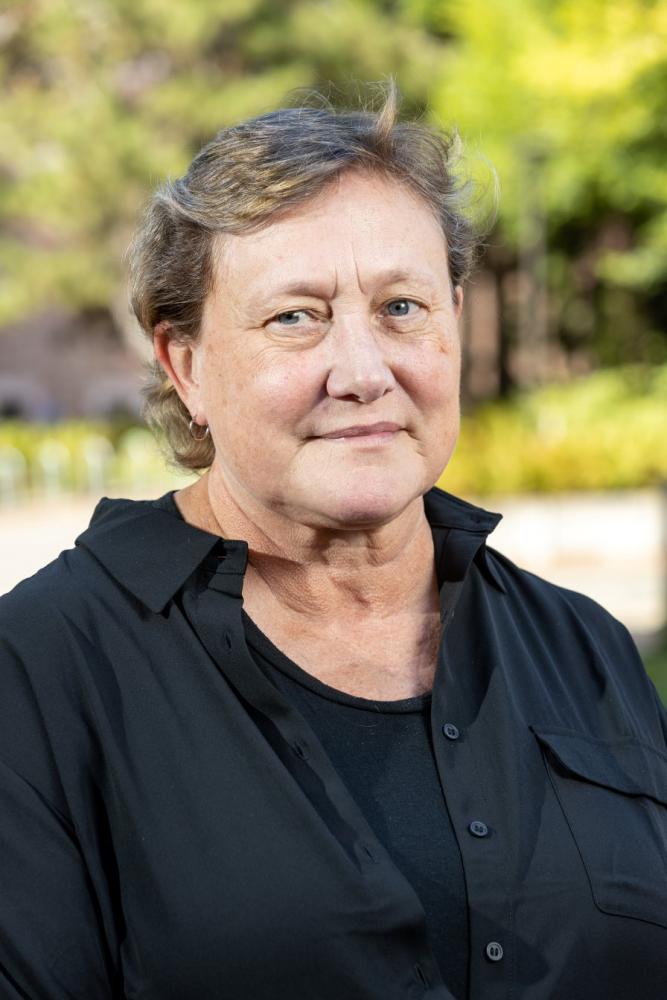
Amelia Regan has been fascinated by freight transportation (especially trains and trucks) since she was a child. She worked for UPS when she was an undergraduate at the University of Pennsylvania. She later worked at the Association of American Railroads and then returned to UPS when they started an Operations Research Group in the late 1980’s. After finishing a Ph.D. under the inspirational supervision of Hani Mahmassani and Patrick Jaillet at the University of Texas, Austin, she joined the University of California, Irvine. Now a Professor Emeritus, she held appointments in Civil and Environmental Engineering and Computer Science over 25 years and supervised 22 PhD students and many MS students to completion. The opportunity to return to freight and logistics at this point in her career is a dream come true. There has never been a better time to be studying and working in supply chain management, an no better place to do it than the University of Washington.

Dr. Travis Fried

Dr. Travis Fried
Dr. Travis Fried
  • Research Engineer, Urban Freight Lab
tfried3@uw.edu  |  Wilson Ceramics Lab 111
  • Open data
  • Public transport mapping
  • Zero-emissions freight
  • Urban freight
  • Shared mobility
  • Equity and justice
  • CUTC Outstanding Student of the Year (Council of University Transportation Centers, 2024)
  • John S. Adams Award for Excellence in Transportation Research and Education (University of Minnesota, 2018)
  • Best Student Paper Award (U.S. Dept. of Agriculture, 2018)
  • Spatial Mapping Prize (University of Minnesota, 2018)
  • Walter H. Judd Graduate Fellowship (University of Minnesota, 2017)
  • Allen & Irene Salisbury Fellowship (Carleton College, 2014)
  • Ph.D., Transportation Engineering, University of Washington
  • M.S., GIS, University of Minnesota
  • B.A., Sociology/Anthropology, Carleton College

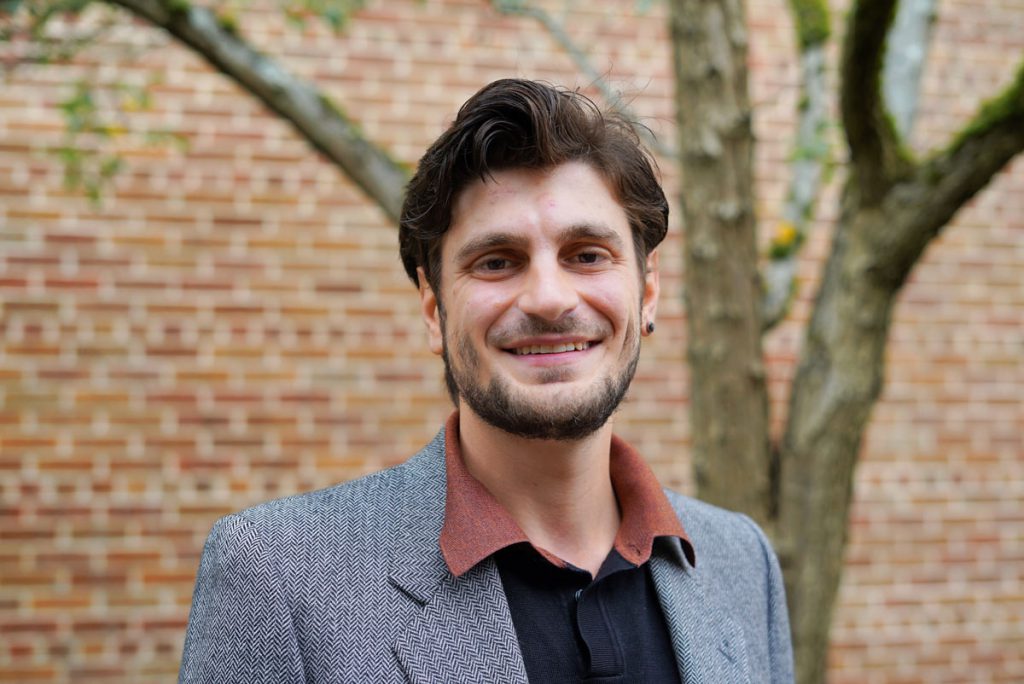
Travis Fried is a spatial data and urban freight enthusiast with a Master’s degree in GIS from the University of Minnesota and a B.A. in Sociology/Anthropology from Carleton College. Previously, he worked as an urban mobility researcher for World Resources Institute (WRI) studying the environmental, health, and equity impacts of open public transit data, urban freight, shared mobility, transport-related stimulus spending and impact investing – among other topics.

When he’s not making maps, you can find him backpacking somewhere off in the mountains. In fact, Travis has backpacked the entire state of Washington both north to south and east to west.